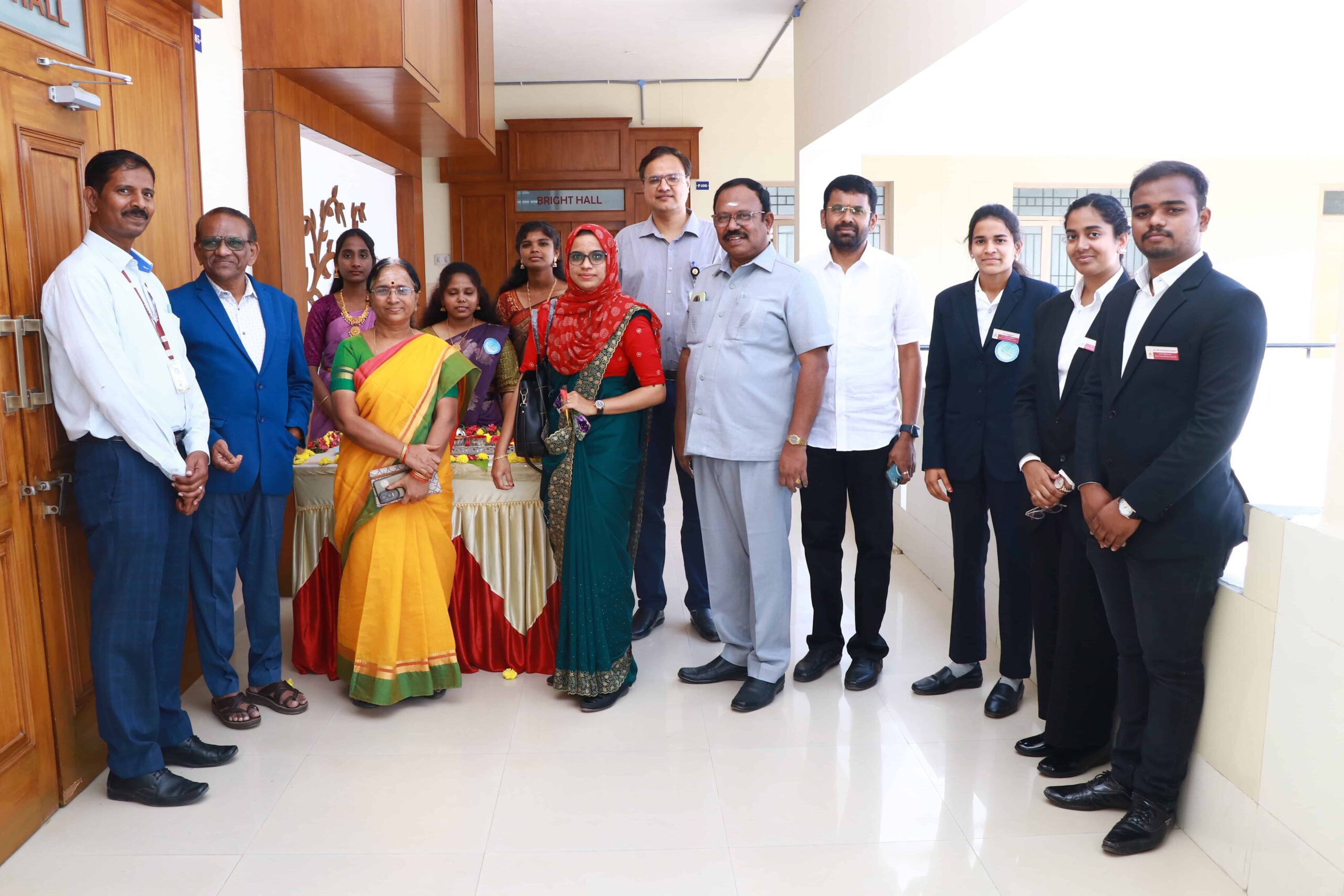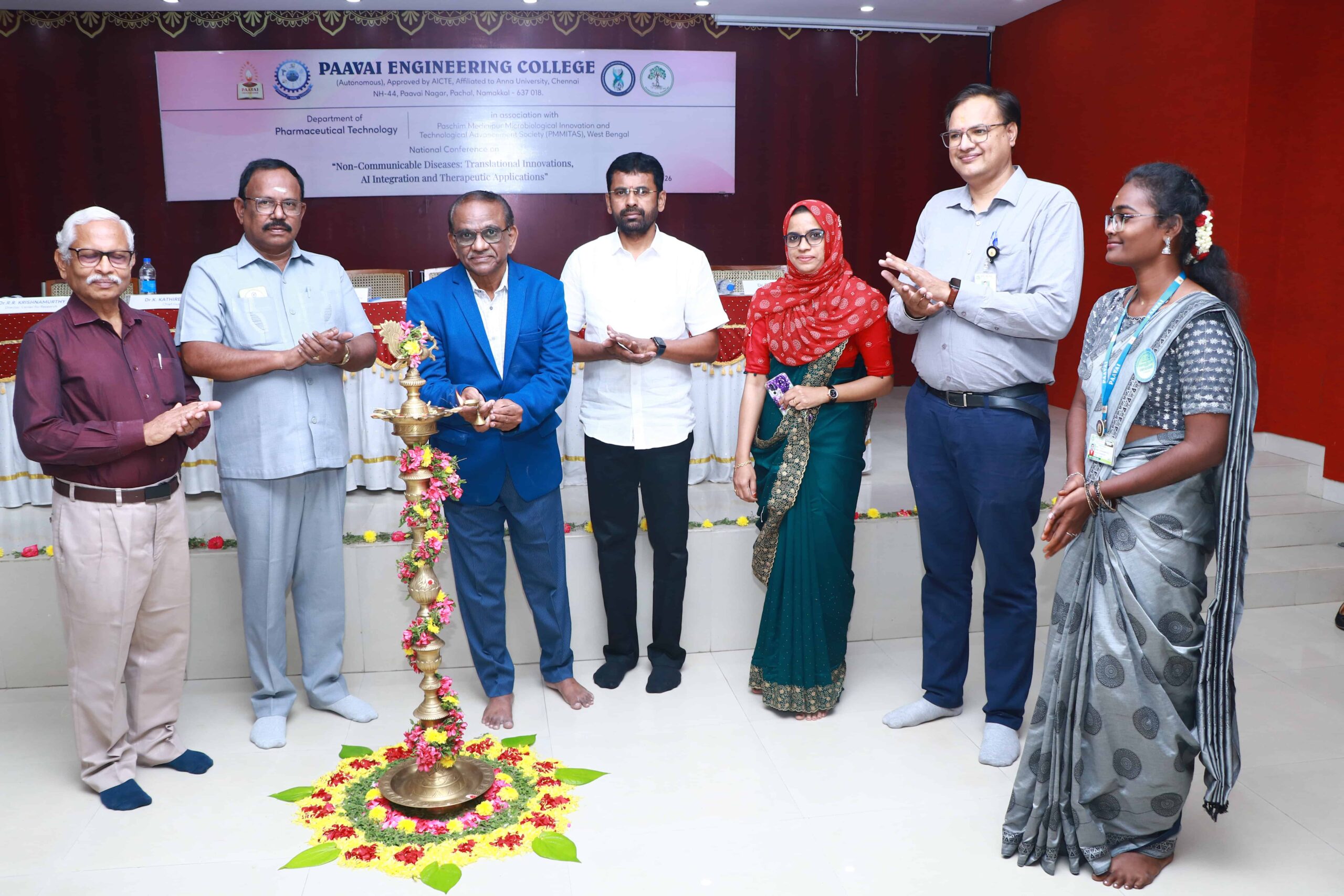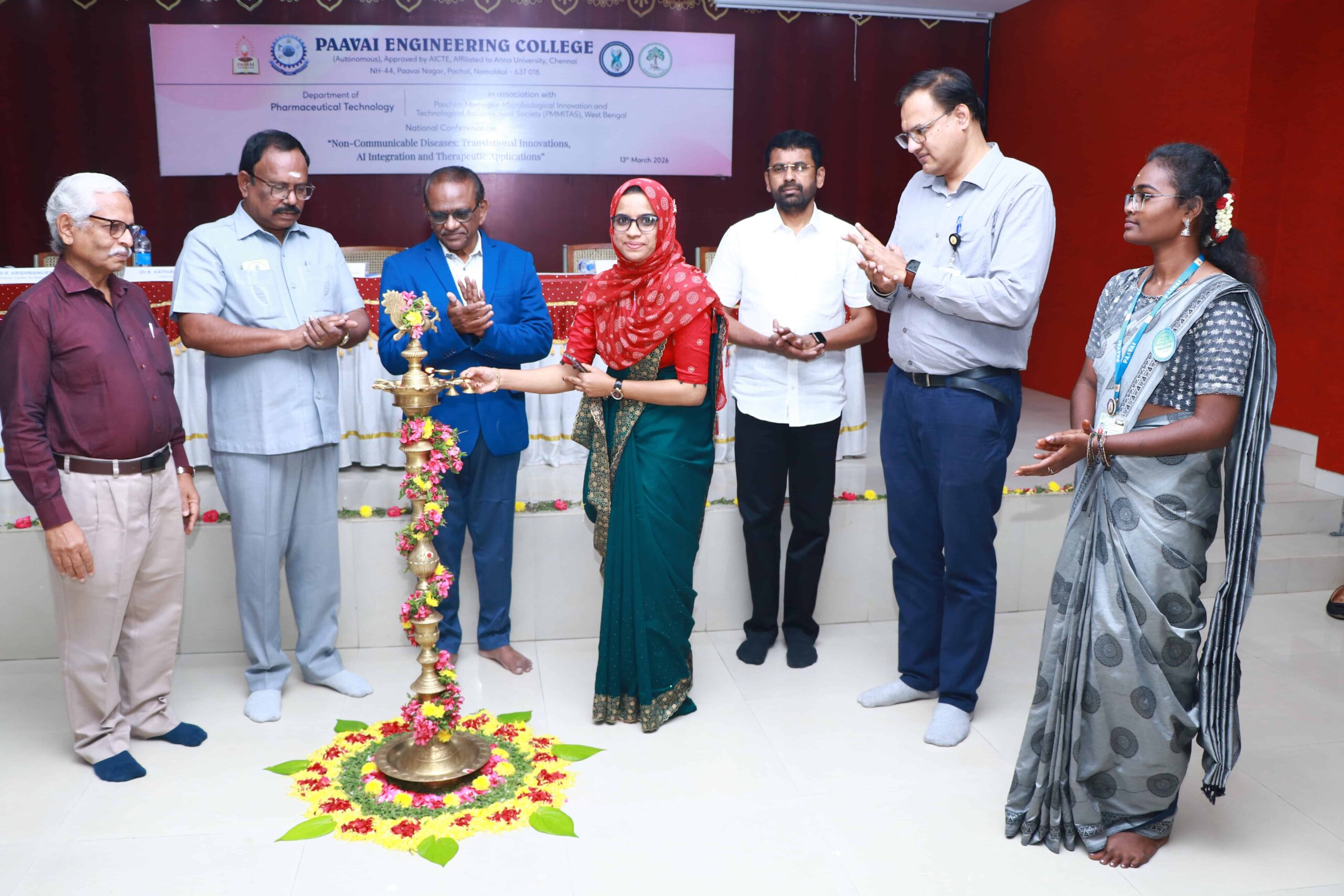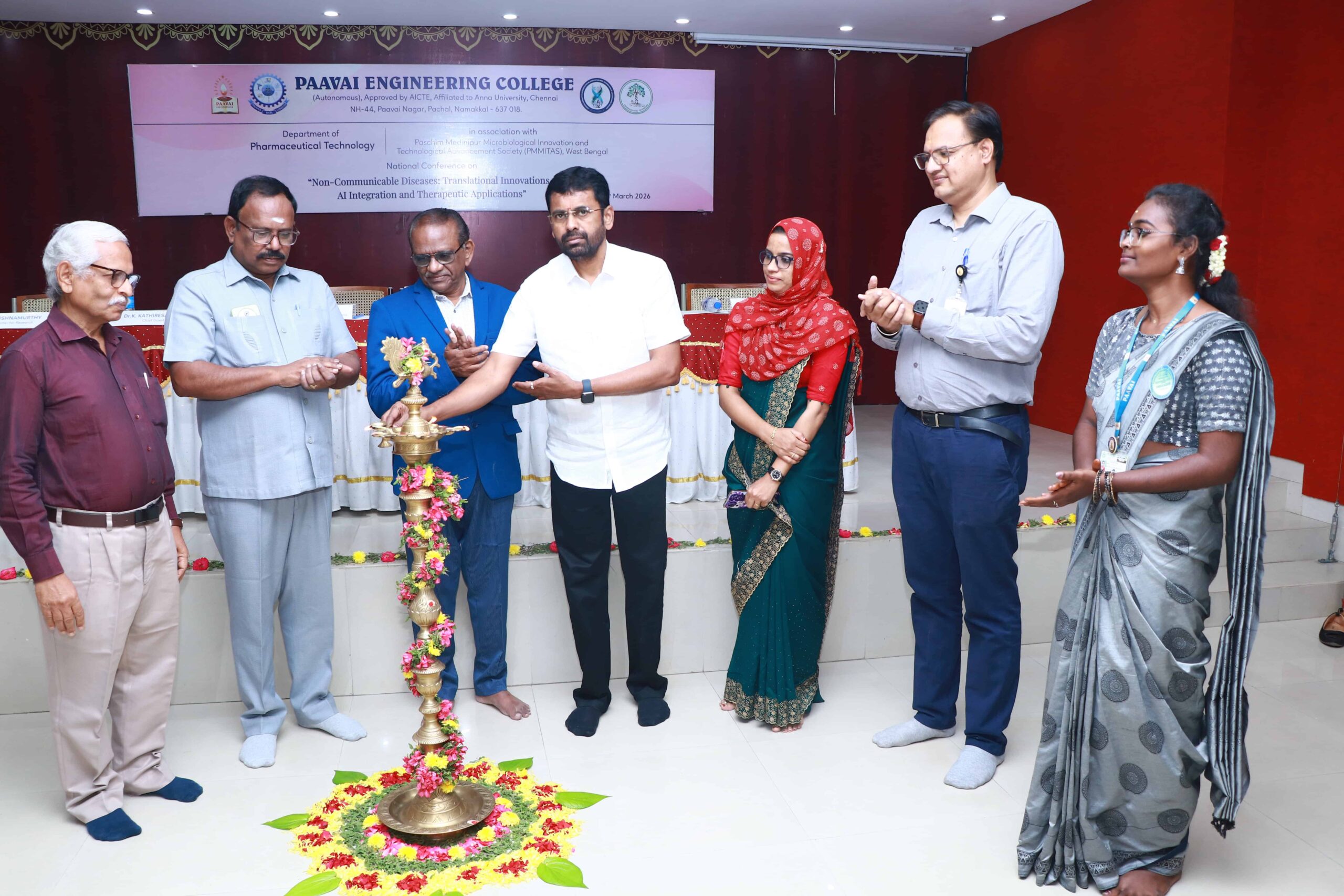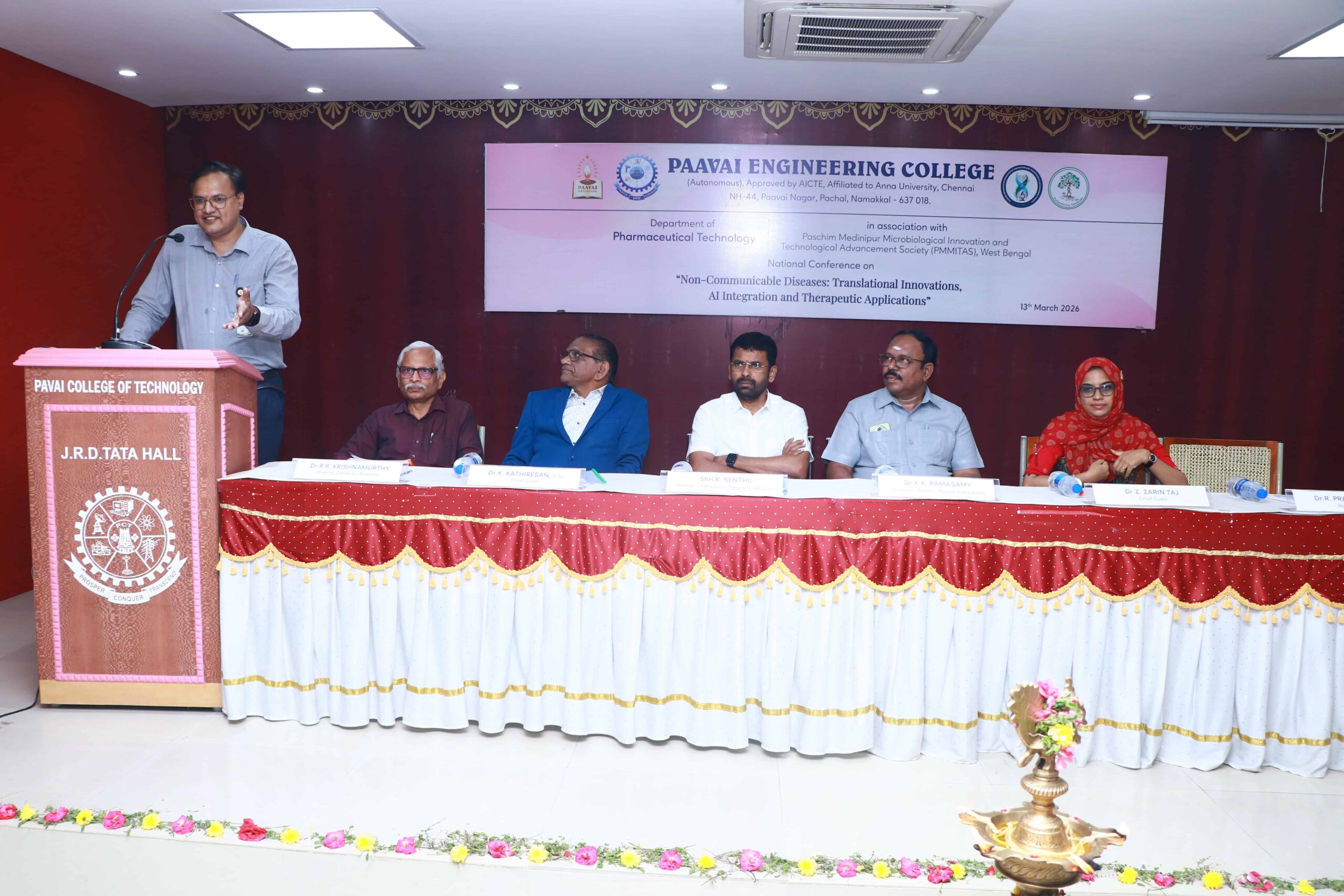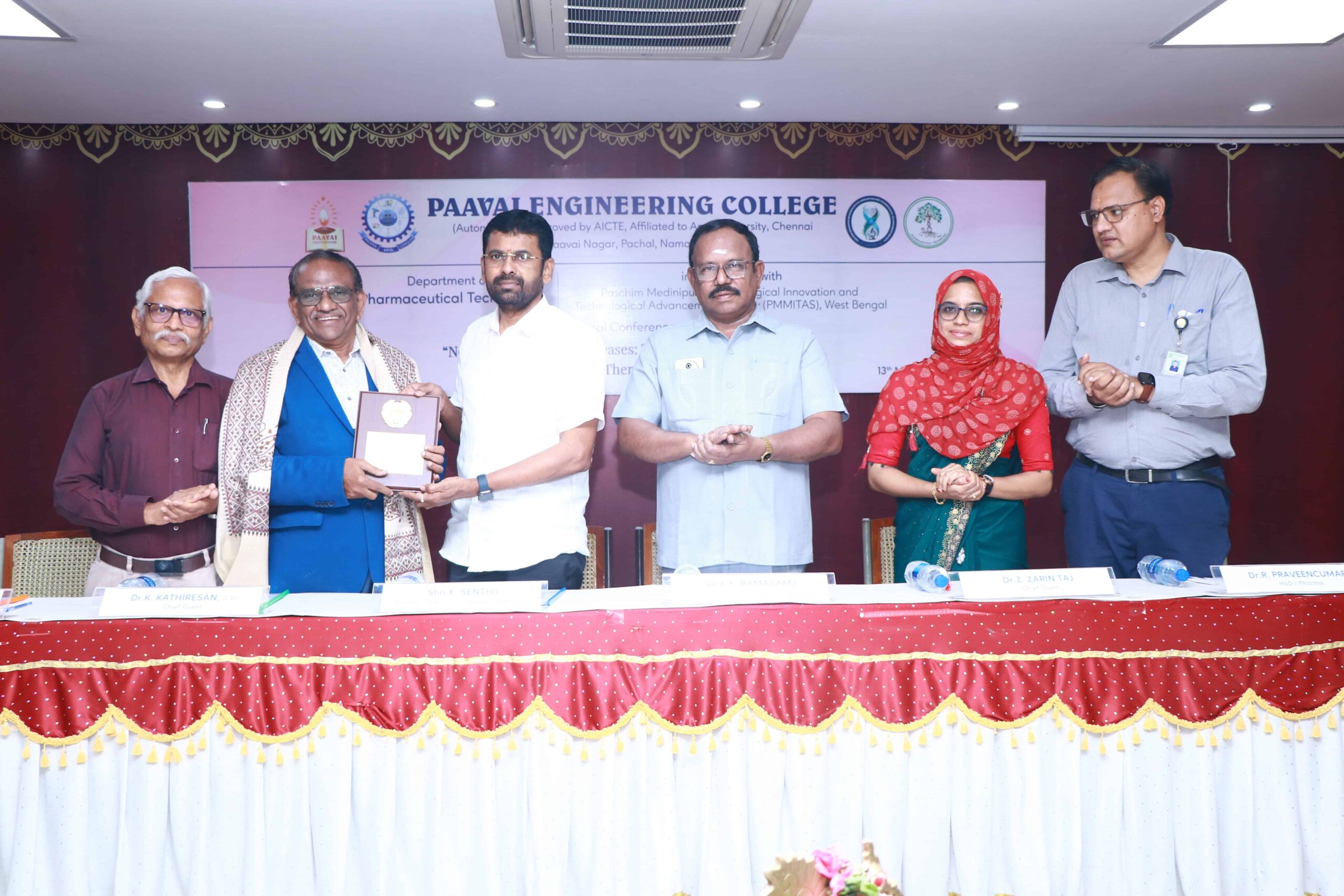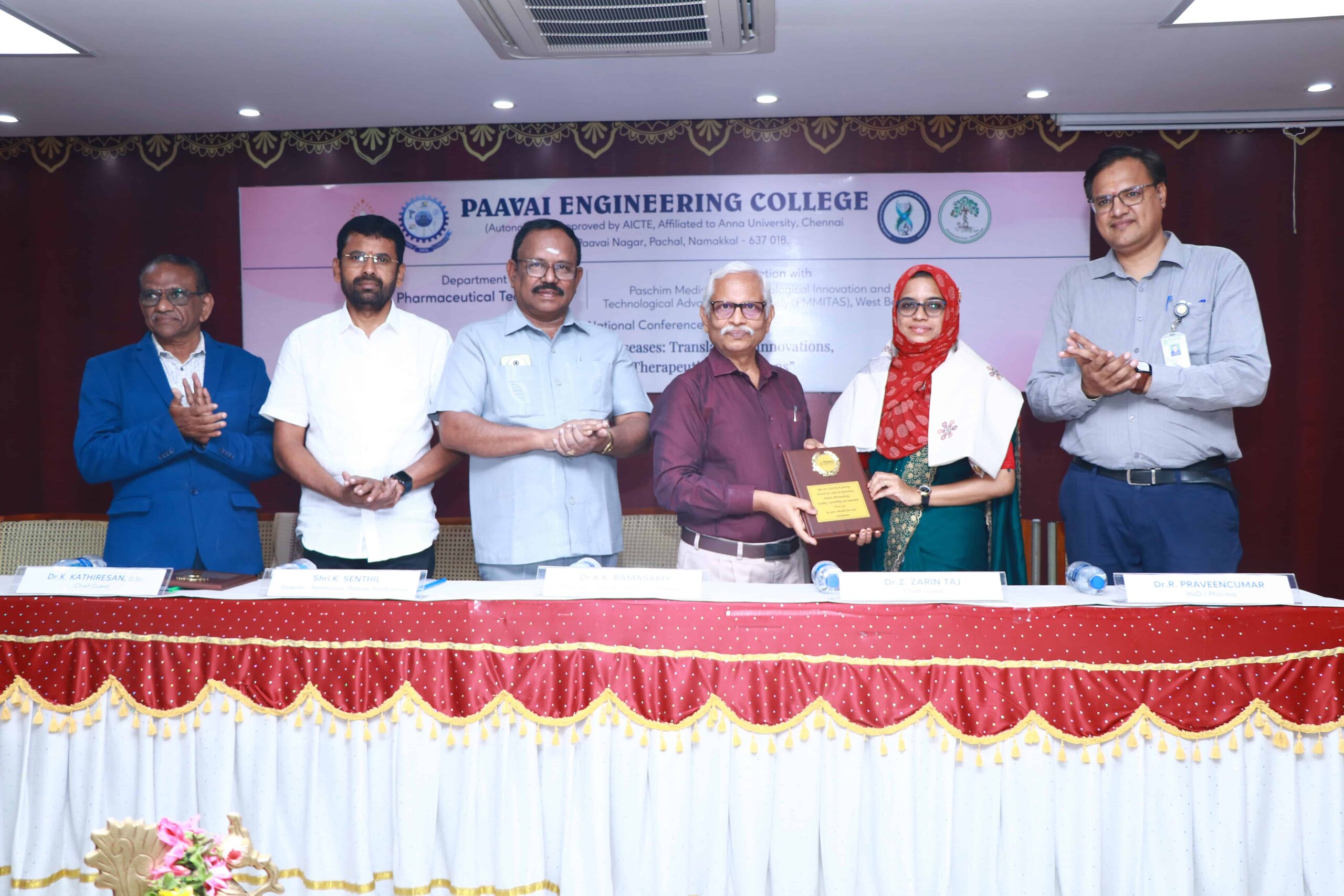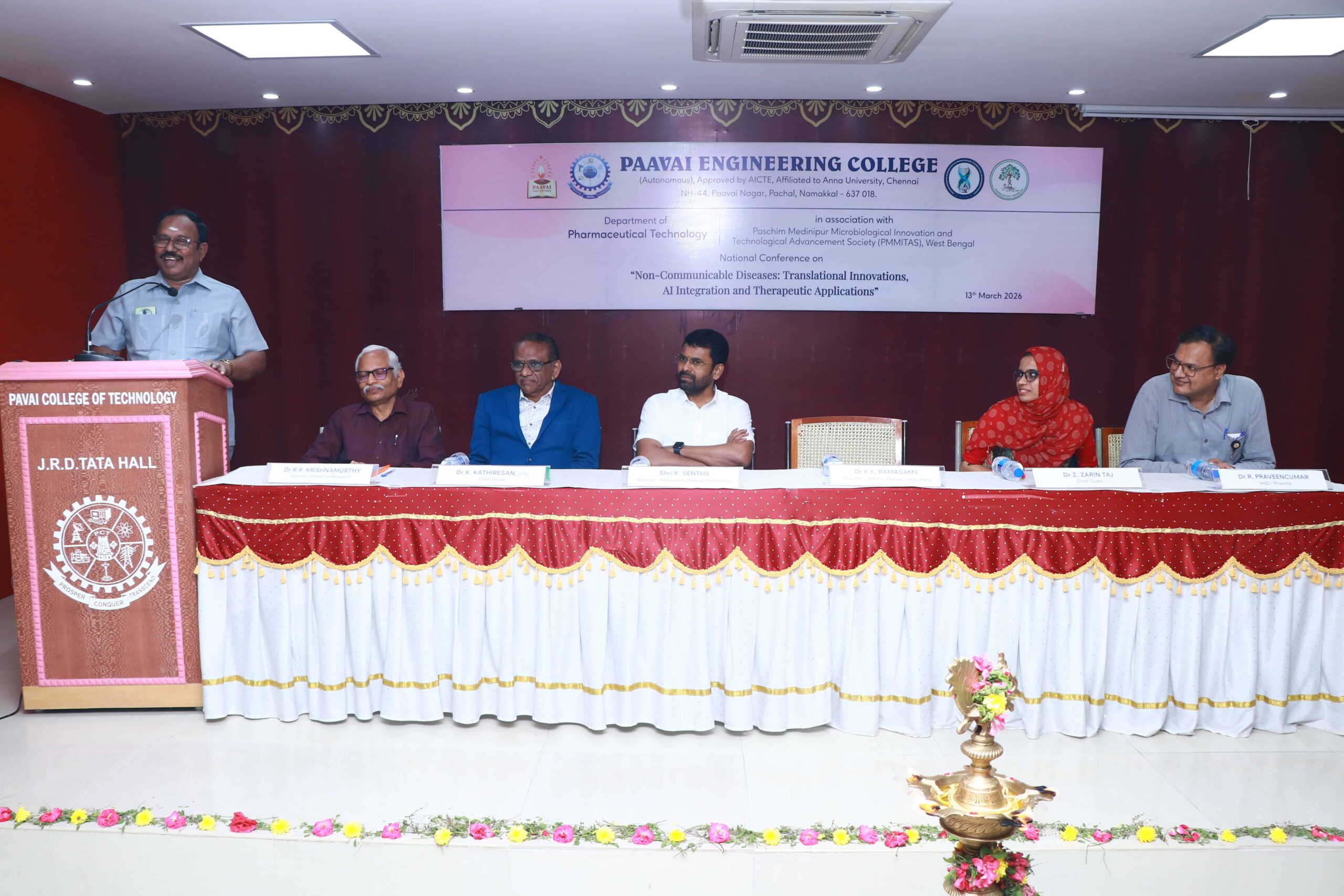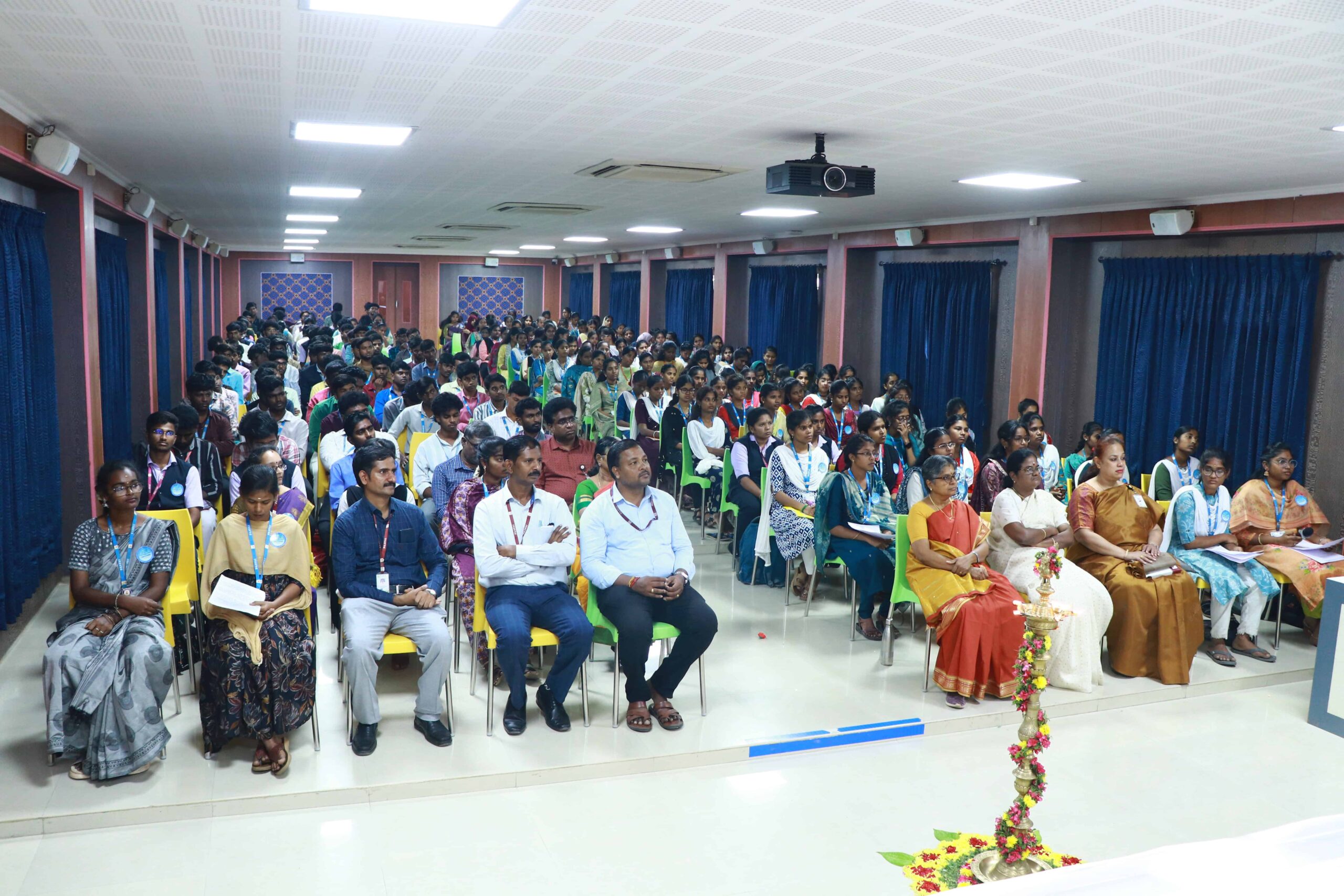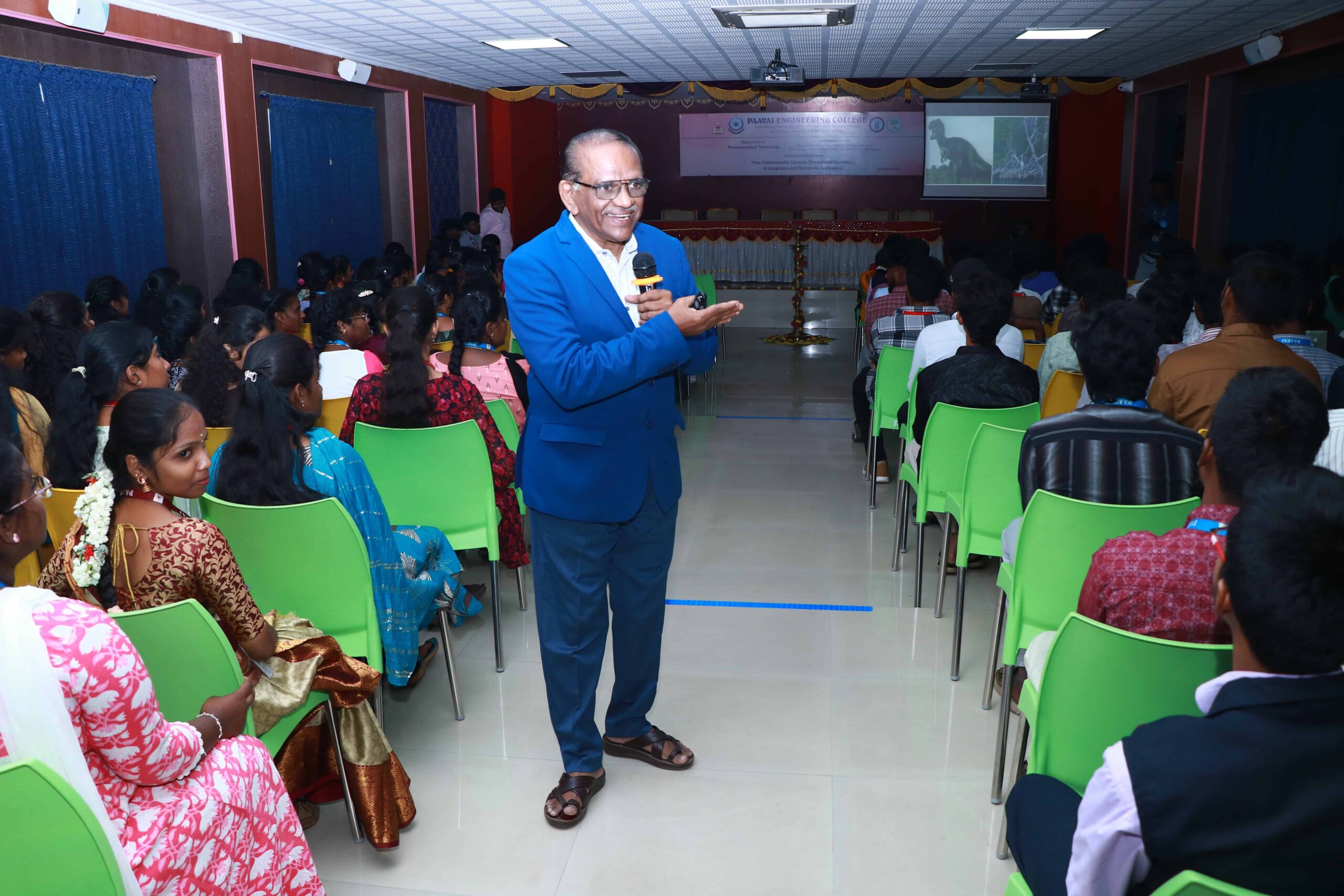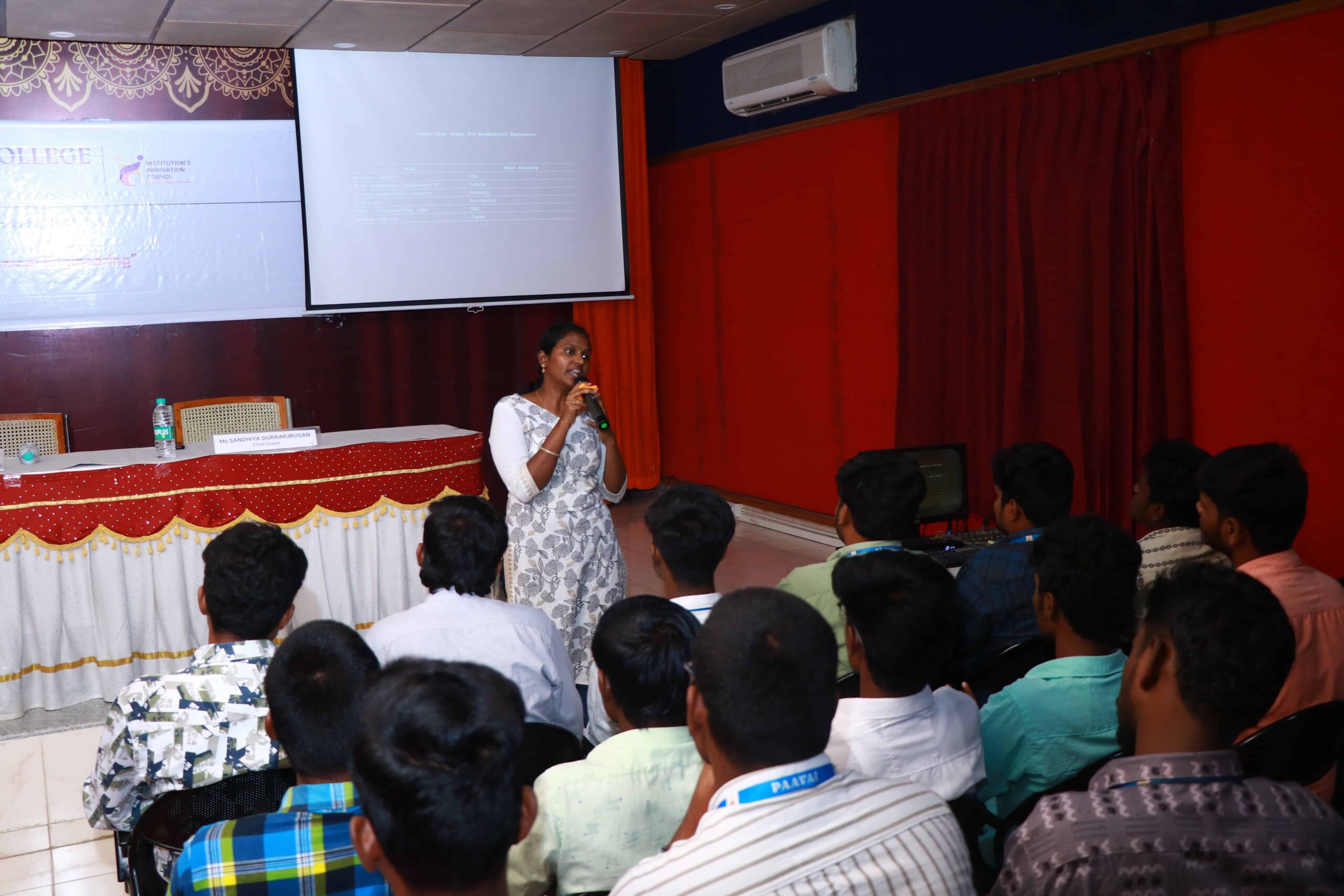
The Department of Pharmaceutical Technology at Paavai Engineering College (Autonomous), Namakkal, successfully organized a one-day National Conference on “Non-Communicable Diseases: Translational Innovations, AI Integration and Therapeutic Applications” on 13th March 2026. The conference was conducted in association with the Paschim Medinipur Microbiological Innovation and Technological Advancement Society (PMMITAS), West Bengal, and took place at Tata Hall and Bright Hall within the Paavai Innovation Forum. The event was designed to address the growing global burden of non-communicable diseases by bringing together researchers, academicians, and students to discuss innovative approaches in therapeutics, translational research, and artificial intelligence applications in healthcare.
The programme commenced with registration in the morning, followed by a formal inauguration session. The event began with a prayer and Tamil Thai Vazhthu, setting a respectful and academic tone. The dignitaries inaugurated the conference by lighting the kuthuvilakku, symbolizing the pursuit of knowledge. The welcome address highlighted the significance of interdisciplinary research in combating non-communicable diseases and emphasized the importance of integrating advanced technologies such as artificial intelligence into pharmaceutical and biomedical research. The presidential address reinforced the institution’s commitment to fostering research excellence and societal impact through academic initiatives.
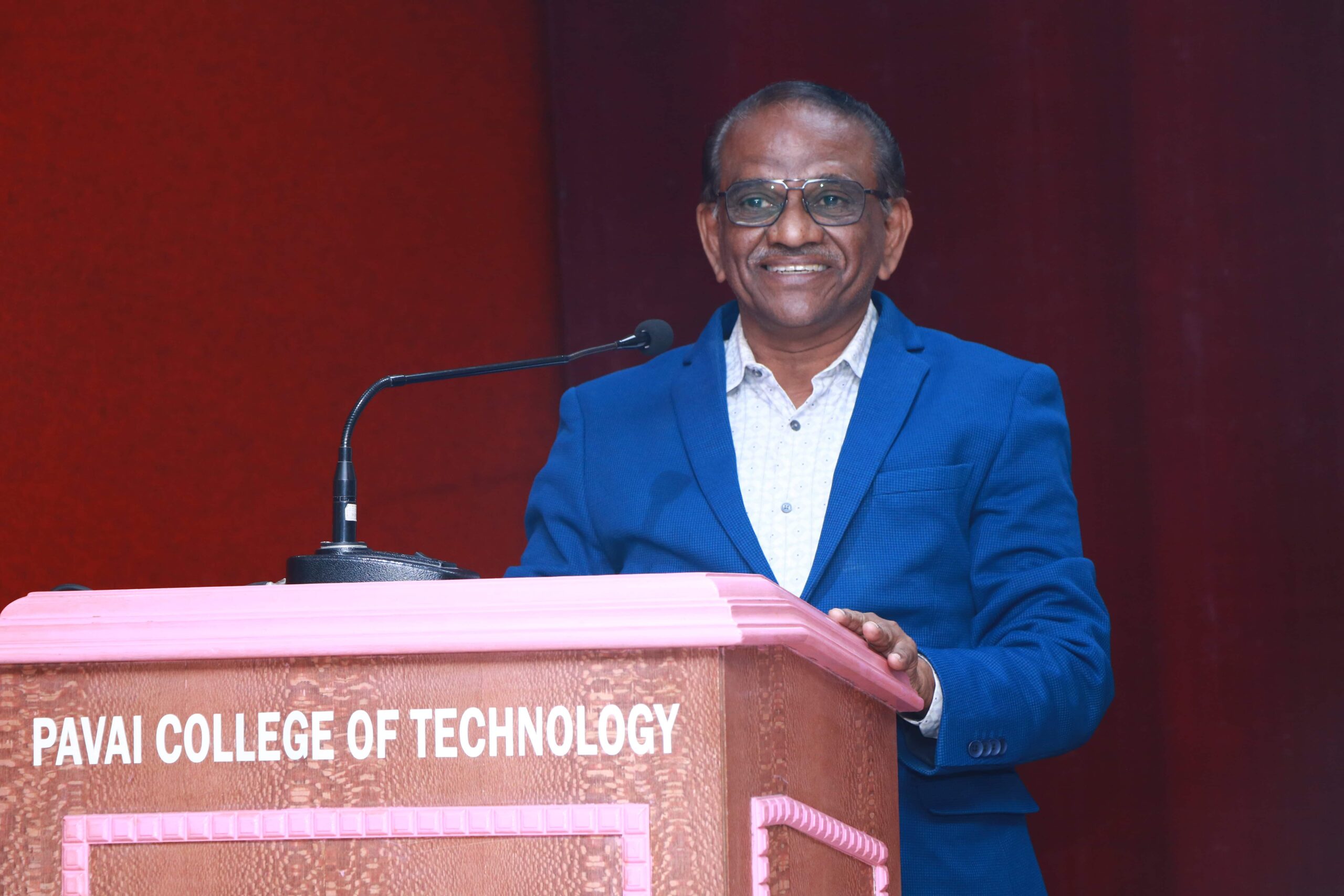
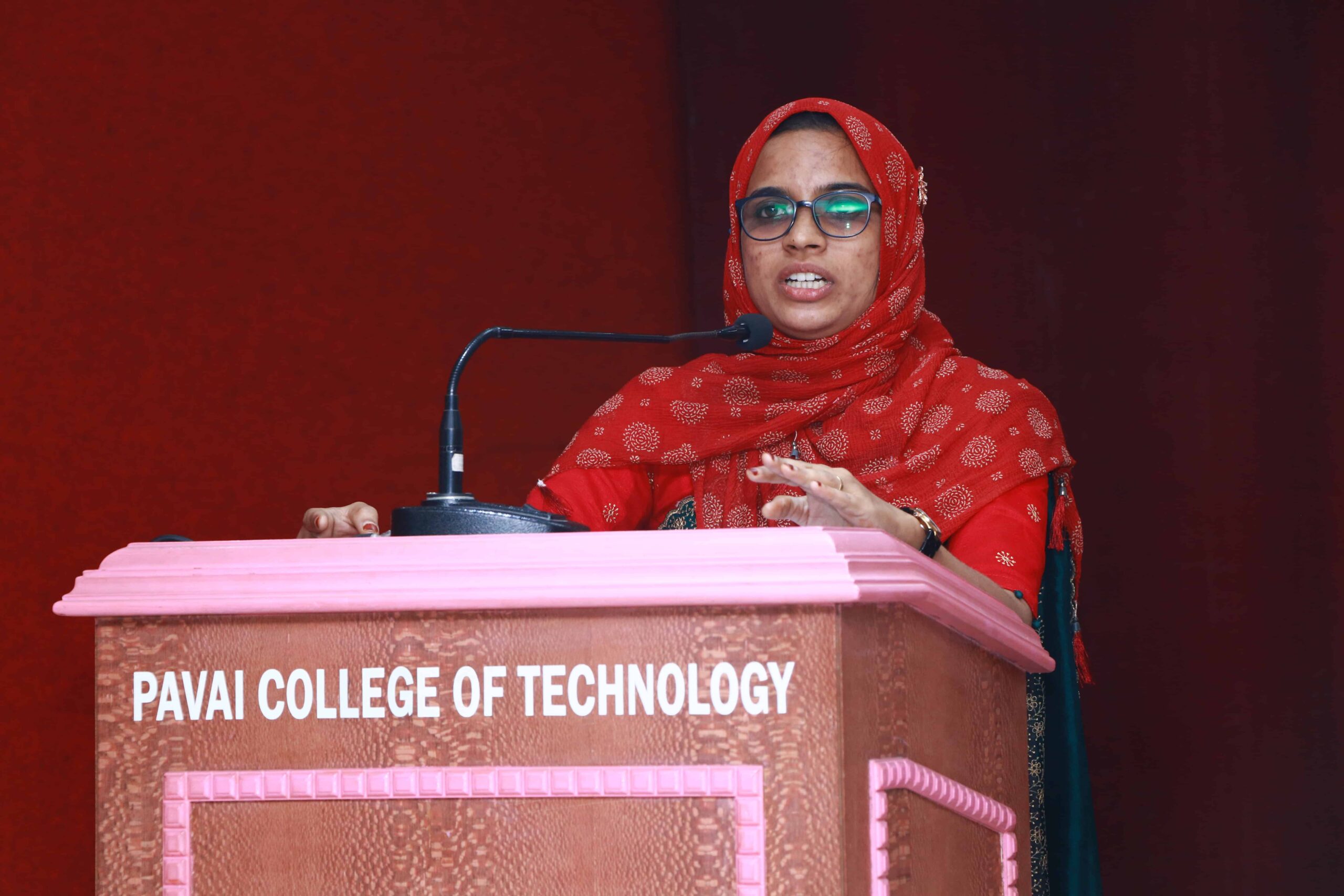
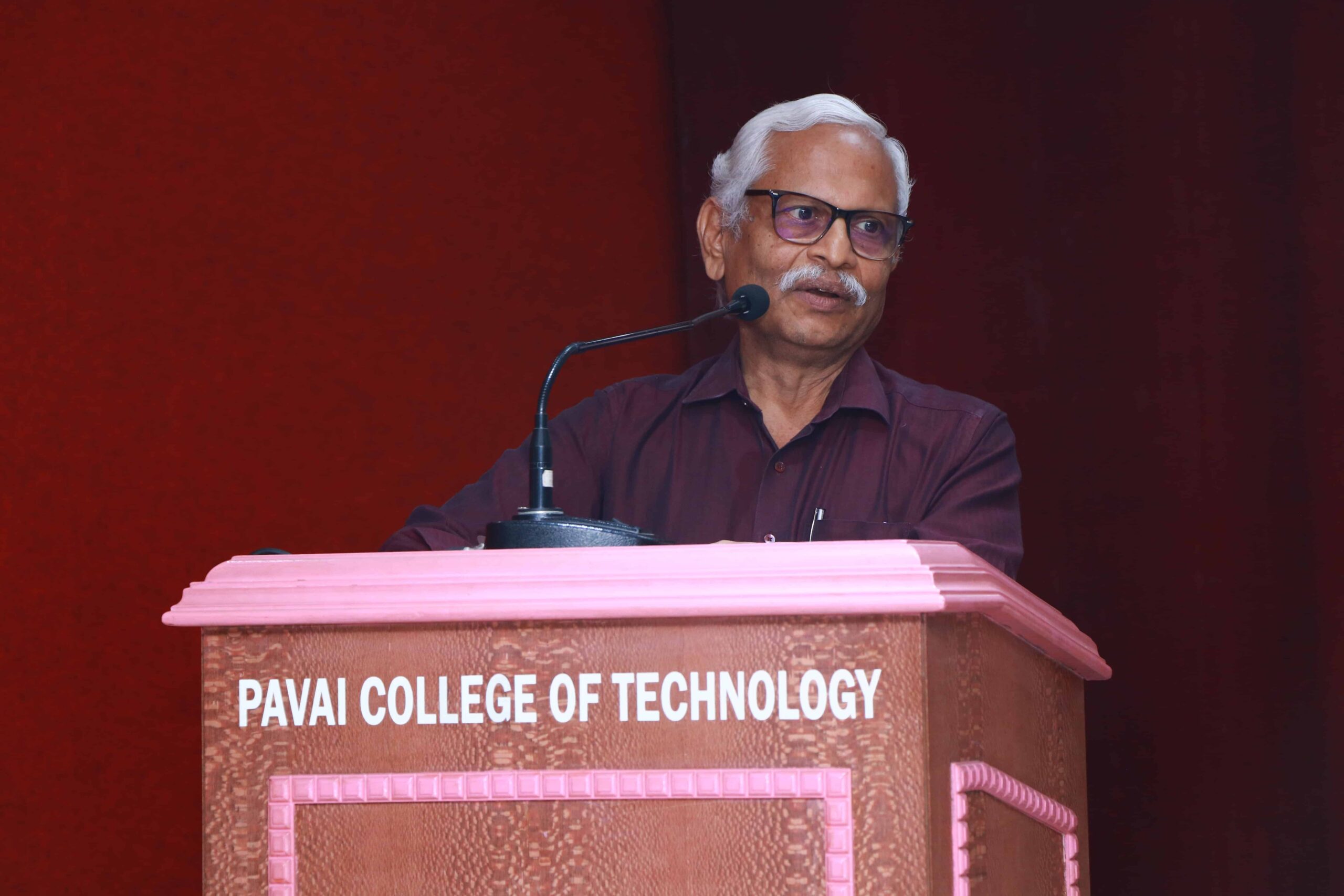
The conference was graced by distinguished chief guests, including Dr. K. Kathiresan, Honorary Professor of Annamalai University and an eminent expert in marine biology, and Dr. Z. Zarin Taj, ICMR Post-Doctoral Research Associate from the Central University of Tamil Nadu. Their keynote addresses provided valuable insights into translational innovations and the integration of AI in therapeutic development. Dr. K. Kathiresan elaborated on the role of biological resources and sustainable research approaches in disease management, while Dr. Z. Zarin Taj emphasized the significance of artificial intelligence in diagnostics, drug discovery, and precision medicine.
Following the inauguration, the conference featured two technical sessions that further explored the themes introduced during the keynote addresses. These sessions provided participants with an in-depth understanding of emerging trends in non-communicable disease research, including advanced therapeutic strategies, data-driven healthcare solutions, and innovative biomedical technologies. The sessions were highly interactive and encouraged academic discussion among participants.
A significant component of the conference was the paper and poster presentation sessions conducted in parallel across both venues. Participants from various institutions presented their research work, covering diverse areas such as pharmacology, drug delivery systems, microbiology, biotechnology, and AI applications in healthcare. The presentations were evaluated by expert panels, ensuring academic rigor and providing constructive feedback to the presenters. The sessions facilitated knowledge exchange and encouraged young researchers to engage in innovative scientific inquiry.
The conference also incorporated an online session, enabling wider participation and ensuring inclusivity for attendees who could not be physically present. This hybrid approach enhanced the reach and impact of the event, reflecting the institution’s adaptability and commitment to accessible education and research dissemination.
The valedictory function marked the conclusion of the conference, during which certificates were distributed to all participants and presenters. Outstanding contributions in paper and poster presentations were recognized and appreciated. The event concluded with a vote of thanks expressing gratitude to the management, organizing committee, speakers, and participants for their valuable contributions, followed by the National Anthem.
Overall, the conference was a successful academic endeavour that effectively addressed contemporary challenges in non-communicable diseases through a multidisciplinary perspective. It provided a dynamic platform for knowledge sharing, collaboration, and innovation, thereby contributing to the advancement of research and education in pharmaceutical sciences and allied fields.